The Bailey Boys — By Jamilla VanDyke-Bailey
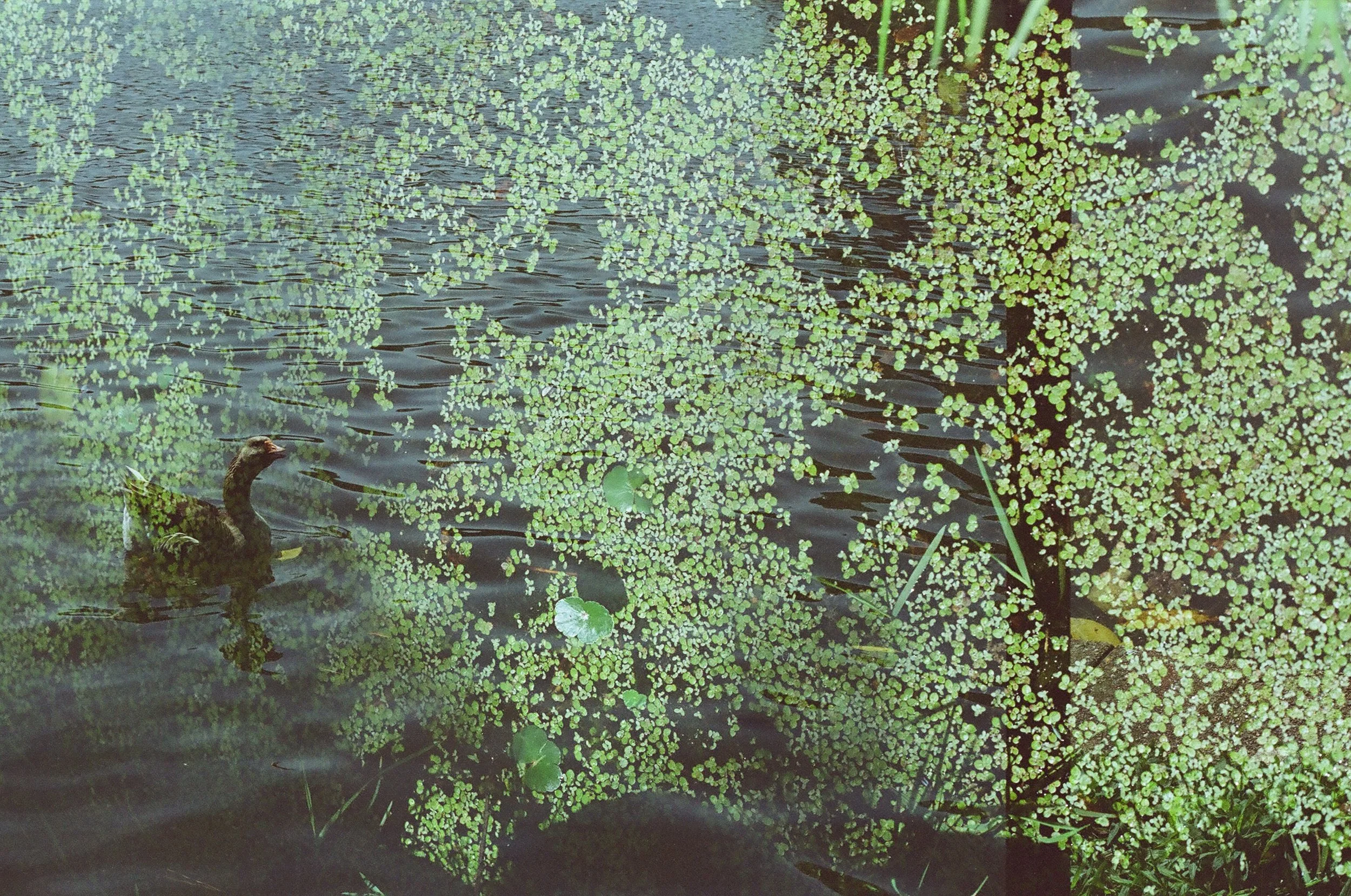
artwork by Dakota Duncan
Your father didn’t want a daughter. He told you that one day he got a call from your mother, and she said, I went to the doctor today and found out what I’m having. It’s never “what we’re having,” it’s always “I’m.” She pauses and then adds: You’re gonna be mad.
When your father tells you this story, it’s always a joke; the punchline is barely audible under the weight of his laughter. You love it when he tells you this story and find ways to give him a reason to tell it again and again. You love the story so much, you create your own reasons to bring it up to friends, colleagues, poems, essays, and yourself. It’s become so funny to you that your father didn’t want a daughter, even though that’s what you are.
You say: My Daddy didn’t want a girl.
You say: That’s why if you see my kid pictures, I look like a boy.
If you have your phone around you, you scroll to the picture. You’re in the middle of the single digits, wearing a red nameless Yankees baseball jersey on top of a plain white t-shirt, on top of a plain white wife beater. You’re wearing a matching red snapback over straight-backs weighed down by thick black beads. It’s not in the picture, but you know that just out of frame, you’re wearing light blue denim jeans and wheat Timbs. Just like you know, behind the camera lens, your father is wearing the same outfit.
There are other pictures from this day. You and your father are matching with his best friend and his son, looking like black fatherhood personified. Looking like two black fathers with their two black sons stunting in a movie theater parking lot. Looking like the Bailey boys ought to look.
If you don’t have the picture ready, you reference it and say: When Dana saw it, he thought it was him. He said, “Mommy, look, it’s DAYNUH.” And this might be a lie, but it doesn’t always have to be.
You say: My Dad said that my Mom called him- and don’t explain that your parents broke up before you were born. And then, she told him, “I went to the doctor’s to find out what we’re having.”
You pause, brace yourself, thinking about your father and then the way his eyes light up right about now, and say: “You’re gonna be mad at me.” You add a dramatic lilt to punch up your mother’s words, and it works. This story always works. Literally always.
When you think about the story, you picture your father in his one-bedroom apartment on Templeton Way because that’s the only place you can remember him in. You picture him young, in a wife-beater, and light blue denim jeans faded from wear, but you never picture his feet, the laugh lines of his face, or his gold jewelry. This is always how he looks when you picture him: incomplete and real.
You imagine him getting a call to “You’ve reached 6 1 7 822 14 98, I’m not here, leave a message after the beep,” but he always answers it before it rings because you can’t remember what house phones ring like.
When you’re happy, you picture him answering the phone, your mother’s words like an omnipotent narration, and a bright blue cartoonish tear falling down the side of his face as he looks at the pile of boys' toys in the corner of the room.
When you’re in the space before happiness, you wonder if he slammed down the phone, swearing, disgusted, disappointed. You wonder when he came around the idea that his first child was going to be a girl. That he was having a girl. You wonder if his grandson, his namesake, is the atonement you’ve always needed to make.
You never ask your Mother for her side of the story because it doesn’t matter. In this story, it’s just you and your father. It’s just you and your father and the fact that he never wanted a daughter. And that you are the daughter that he said he never wanted. It’s just that fact and a very good story, and there’s no space for anyone else – just the two of you; the Bailey boys.
Jamilla VanDyke-Bailey (@alli.maj) is a pro-black feminist poet and essayist and MSW student. Her poetry chapbook, “than we have been,” (Weasel Press, 2022) and her full-length book of poetry, “the womxn,” (Finishing Line Press, 2023) are currently available for purchase.